

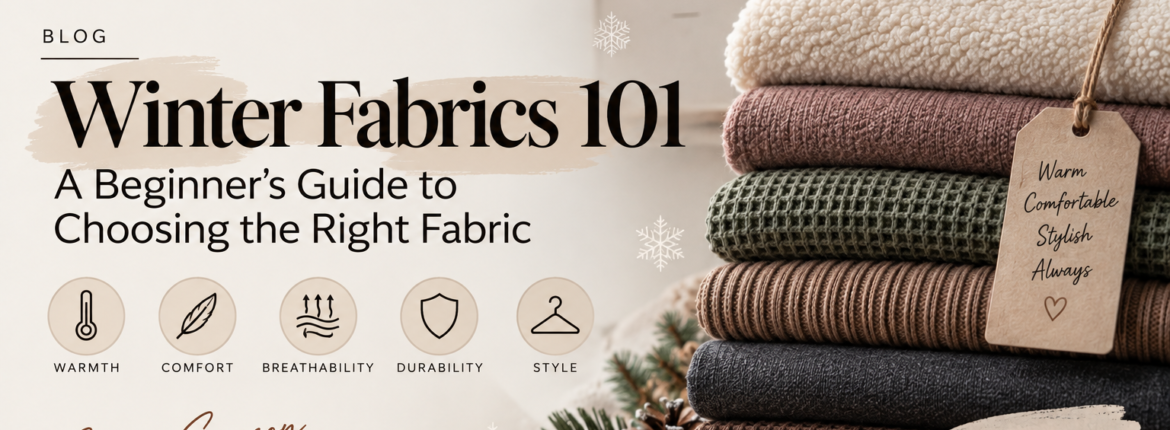
Introduction to Winter Fabrics: Understanding Fabrics for Cold Weather
When winter arrives, our clothing needs change. Lightweight and breathable fabrics that feel comfortable during warmer months may no longer provide the warmth and protection needed in colder weather. This is where winter fabrics become important. The right fabric can make a significant difference in how warm, comfortable, and confident you feel throughout the day.
Winter fabrics are materials that are commonly used to create clothing designed for colder temperatures. They are generally selected for their ability to provide warmth, insulation, comfort, and protection from cold air. However, winter fabric does not always mean a fabric has to be extremely thick or heavy. Different fabrics provide warmth in different ways, and the best choice depends on the garment, weather conditions, and how the clothing will be used.
What Are Winter Fabrics?
Winter fabrics are designed or selected to help the wearer stay comfortable when temperatures fall. Many of these fabrics have constructions that allow them to trap air between or within their fibers. This trapped air can help slow down the loss of body heat, creating a warmer feeling.
Some winter fabrics are thick and brushed, while others are lightweight but designed specifically for layering. For example, a soft fleece may be used for a warm hoodie or sweatshirt, while a thermal fabric may be used as a base layer underneath other clothing. for reference https://www.hawthornintl.com/fabric-guide
The term “winter fabric” therefore covers a wide range of materials rather than referring to one particular type of fabric.
Common winter fabric options include:
- Fleece

Fleece is a soft, warm, and lightweight fabric known for its cozy feel and excellent heat retention. Its brushed surface helps trap warmth while remaining comfortable for everyday wear. It is commonly used for hoodies, sweatshirts, jackets, tracksuits, and winter loungewear. Fleece is a great choice when you want a balance of warmth, softness, comfort, and easy wear.
- Thermal

Thermal fabric is designed to provide warmth without excessive weight. Its textured construction helps trap body heat while allowing comfortable airflow, making it a practical choice for cold weather. It is especially suitable for base layers, winter tops, thermal sets, loungewear, and layering pieces. Thermal fabric offers a good balance of insulation, breathability, comfort, and flexibility for everyday winter wear.
- French Terry

French terry is a soft, breathable, and versatile knitted fabric with a smooth outer surface and soft loops on the inside. It provides comfortable warmth without feeling too heavy, making it ideal for sweatshirts, hoodies, joggers, casual tops, and lightweight winter wear. Its combination of comfort, breathability, stretch, and durability makes it a popular choice for everyday clothing.
- Terry

Terry fabric is a soft, absorbent, and comfortable fabric with a distinctive looped texture. It offers good breathability and a cozy feel, making it suitable for casual winter clothing. Terry can be used for sweatshirts, loungewear, casual tops, joggers, and everyday winter garments.
- Waffle

Waffle fabric is a lightweight, breathable, and textured knit with a distinctive grid-like surface. Its unique construction helps retain warmth while allowing comfortable airflow. It is ideal for winter tops, sweatshirts, hoodies, loungewear, and layering pieces, adding both comfort and stylish texture to winter garments.Its textured surface gives garments a modern and premium appearance while providing comfortable warmth without excessive bulk. Waffle fabric is especially suitable for casual winter wear and everyday layering, offering a practical balance of warmth, softness, breathability, and style.
- Rib

Rib fabric is a stretchy, soft, and comfortable knitted fabric with a distinctive vertical ribbed texture. Its natural flexibility allows it to provide a close, comfortable fit while maintaining good shape. Rib is ideal for fitted tops, dresses, T-shirts, cuffs, necklines, and winter layering pieces, offering a balance of stretch, comfort, durability, and style.Its textured construction also adds visual depth and a stylish finish to winter garments. It is especially useful for designs that require flexibility, body-hugging comfort, and easy movement.
- Interlock

Interlock is a soft, smooth, and comfortable knitted fabric known for its fine texture and excellent stretch. It has a double-knit construction that gives it a slightly thicker and more stable feel than many single-jersey fabrics, making it suitable for winter tops, T-shirts, loungewear, dresses, and layering pieces.Its smooth surface provides a clean and premium appearance, while its softness and flexibility make it comfortable for everyday wear. Interlock offers a good balance of warmth, durability, stretch, and comfort for lightweight to moderate winter clothing.
- Scuba

Why Is Fabric Selection Important in Winter?
Choosing the right fabric is important because winter clothing needs to do more than simply cover the body. Ideally, it should provide warmth while remaining comfortable enough for everyday movement.
A fabric that is too light may not provide enough insulation in colder weather. On the other hand, an extremely heavy fabric may feel uncomfortable indoors or during physical activity. The goal is to select a fabric that matches the purpose of the garment.
For example, a fabric chosen for a winter hoodie may need to be warm and soft, while a fabric used for a fitted winter top may need to provide both warmth and stretch. Similarly, a fabric intended for layering should ideally be comfortable against the skin without making the overall outfit unnecessarily bulky.
This is why fabric selection is an important part of garment design, product development, and manufacturing.
What Makes a Fabric Warm?
There are several factors that influence how warm a fabric feels. One of the most important is the fabric’s ability to trap and retain air.
Fabric thickness can play a role, but thickness alone does not determine warmth. The way the fabric is constructed, its fiber composition, surface texture, and weight can all influence its thermal performance.
Some important factors include:
1. Fabric Weight
Fabric weight is often discussed using GSM, which means grams per square meter. GSM indicates how much a square meter of fabric weighs.
Generally, a higher GSM fabric may feel heavier and can provide greater coverage, but GSM should not be used as the only measure of warmth. Two fabrics with similar GSM can feel very different depending on their construction and fiber composition.
2. Fabric Construction
The way a fabric is knitted or constructed can influence its warmth and comfort.
Certain knitted structures create spaces within the fabric that can trap air. Waffle fabrics, for example, have a textured structure that creates small raised areas and recesses. Other fabrics may have a smooth, dense construction that provides a different combination of warmth, softness, and structure.
3. Surface Texture
The surface of a fabric can also affect how warm and comfortable it feels.
Brushed fabrics are commonly associated with winter clothing because their soft surface can create a cozy hand feel. Fleece is a popular example of a fabric used for warm casual-wear because of its soft, insulating surface.
4. Fiber Composition
The fibers used to make a fabric can affect its softness, warmth, breathability, stretch, and durability.
Different fiber compositions can be selected depending on the desired performance of the final garment. This is why checking the fabric composition is important when developing or purchasing winter clothing.
5. Breathability
Warmth is important, but breathability matters too.
A fabric that holds heat but does not allow enough moisture and heat to escape may become uncomfortable during movement or when transitioning between outdoor and indoor environments.
A good winter garment often needs to provide a balance between insulation and breathability.
Winter Fabrics Are Not One-Size-Fits-All
One of the biggest misconceptions about winter fabrics is that there is one fabric that is best for every winter garment. In reality, the ideal fabric depends on the purpose of the clothing.
A hoodie may require a different fabric from a fitted top. A base layer has different requirements from a sweatshirt, while a winter dress may need a combination of warmth, stretch, structure, and appearance.
For example:
Fleece can be a strong choice when softness and warmth are priorities.
Thermal fabrics can work well for base layers and garments designed to provide warmth without excessive bulk.
Waffle fabrics can offer texture, comfort, and warmth while also working well for casual winter styles.
French Terry and Terry can be useful for comfortable casual-wear and sweatshirts, depending on their weight and construction.
Rib fabrics are valued for their stretch and close-fitting applications, making them useful for fitted tops, dresses, cuffs, and other garments.
Interlock can provide a smooth, comfortable hand feel and can be used for a variety of everyday garments.
Scuba is different from traditional cozy winter fabrics. It is often chosen more for its smooth appearance, structure, and shape retention, making it suitable for certain fashion-focused winter garments.
Winter Fabric and Layering
Another important concept when choosing winter fabrics is layering.
Instead of relying on one extremely heavy garment, winter outfits can combine multiple layers. A lightweight fabric can be worn close to the body, followed by a warmer middle layer and then an outer layer for additional protection.
This approach allows clothing to be adapted to different temperatures and activities.
For example, a thermal top can act as a base layer, a fleece or sweatshirt can provide additional warmth, and an outer jacket can provide protection from cold air and wind.
The effectiveness of layering depends on choosing fabrics that work well together rather than simply selecting the heaviest materials available.
Choosing Winter Fabric for Fashion and Function

Winter clothing is not only about staying warm. Modern winter garments also need to look good, feel comfortable, fit properly, and withstand regular use.
For fashion brands and garment manufacturers, fabric selection therefore involves balancing several factors:
- Warmth
- Comfort
- Fabric weight
- Stretch
- Breathability
- Durability
- Appearance
- Drape and structure
- Ease of care
- Intended garment type
A well-selected fabric can enhance the overall appearance and performance of a garment, while the wrong fabric can affect its fit, comfort, and usability.
Understanding Winter Fabrics Before Choosing One
Before selecting a fabric for a winter garment, it is useful to understand what the garment is expected to do.
Ask simple questions:
How cold is the environment?
Will the garment be worn indoors, outdoors, or both?
Does it need to be fitted or relaxed?
Will it be worn as a base layer or an outer garment?
Is softness more important than structure?
Does the garment require stretch?
How much warmth is actually needed?
Answering these questions makes it easier to choose a suitable fabric instead of selecting one simply because it feels thick or heavy.
Final Thoughts
Winter fabrics play an important role in creating clothing that combines warmth, comfort, functionality, and style. From soft fleece and thermal fabrics to textured waffle, versatile interlock, stretchy rib, and structured scuba, each fabric has its own characteristics and potential applications.
There is no single fabric that can be called the best winter fabric for every situation. The right choice depends on the weather, garment type, fabric construction, weight, desired comfort, and intended use.
Understanding these basic characteristics is the first step toward making better winter fabric choices.
In the next sections, we will take a closer look at different winter fabrics and explore their characteristics, warmth, advantages, limitations, and best garment applications, helping you understand which fabric works best for different winter clothing needs.
